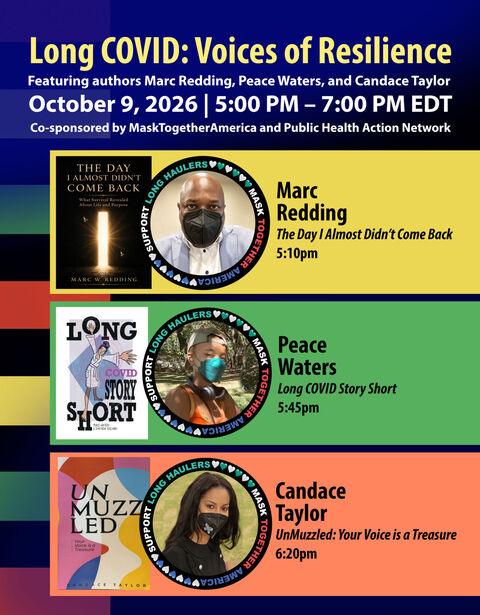
Long COVID: Voices of Resilience
Virtual Q&A Featuring authors Marc Redding, Peace Waters, and Candace Taylor
Event Date: October 9 | 5:00 PM – 7:00 PM ET
Co-sponsored by: MaskTogetherAmerica and Public Health Action Network
Long COVID: Voices of Resilience invites you to watch three interactive Q&A sessions featuring authors Candace Taylor, Peace Waters, and Marc Redding on Facebook and YouTube. Each has published an intimate account of their arduous journey surviving acute infection and navigating life with Long COVID. Join these vital discussions to shine a light on communities losing hope and fight for systemic visibility.
Schedule (all times ET):
5:00 PM: Opening Remarks by Dr. Marjorie Roberts, Long COVID advocate, MaskTogetherAmerica.
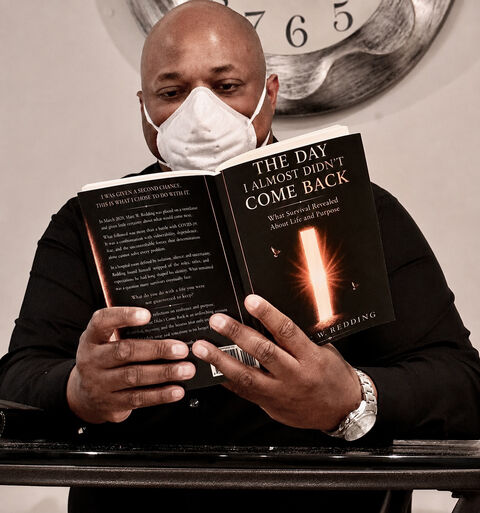
5:10 PM: Q&A with Marc Redding, author of The Day I Almost Didn’t Come Back [1].
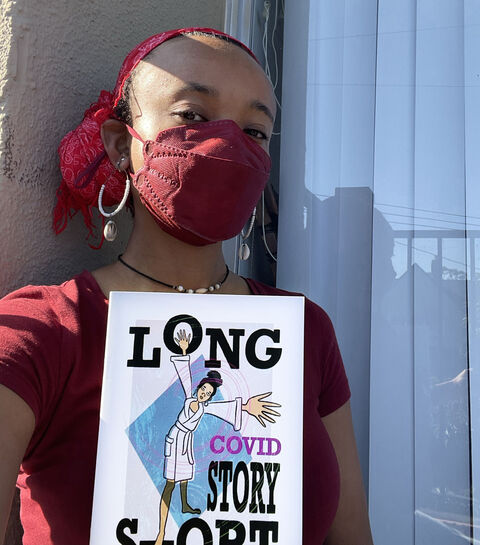
5:45 PM: Q&A with Peace Waters, author of Long COVID Story Short [2]—a collaborative project created alongside their mother, cartoonist and poet Dimitrea Tokunbo.
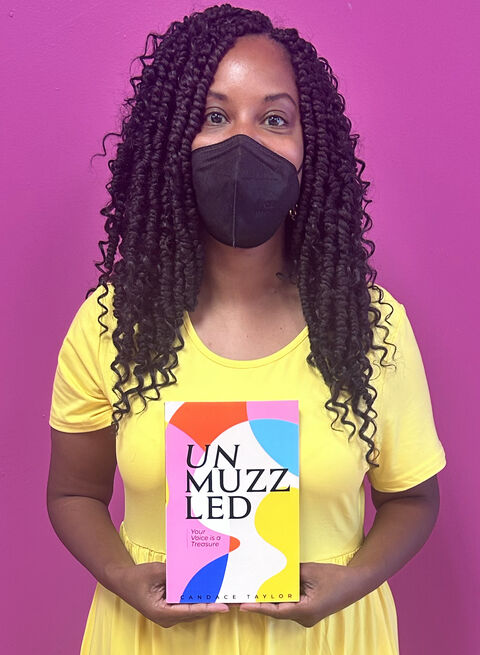
6:20 PM: Q&A with Candace Taylor, author of UnMuzzled: Your Voice is a Treasure [3].
Setting the Stage: Patient Representation and the Underdiagnosis Crisis
This forum is dedicated to raising awareness of Long COVID, with a special focus on patient diversity and data representation. MaskTogetherAmerica is a community of resilience fighting for diagnostic equality and equitable prevention strategies. While virus transmission does not discriminate, institutional systems do, and people of color are disproportionately underdiagnosed due to systemic stigma and deep-rooted healthcare inequities.
This diagnostic gap is starkly quantified in a landmark study published in Health Affairs, which investigated racial and ethnic disparities in Long COVID diagnoses using electronic health records (EHR) from 2.4 million US patients [4]. The analysis revealed that during the Omicron era (January 1, 2022 – March 31, 2023), Black patients were diagnosed with Long COVID at a 6% lower rate than White patients, even when they presented with identical symptom profiles and engaged with healthcare providers at least bimonthly. Because the researchers found no clinical differences in underlying symptom presence to justify this gap, the findings point to systemic diagnostic bias in healthcare. Furthermore, across all racial groups, fewer than 1% of patients in EHR datasets received a formal diagnosis code, despite true community incidence rates being estimated at over 10%.
While formal medical records undercount minoritized groups, self-reported data [5] tells a very different story. Data from the Census Bureau's Household Pulse Survey showed that Long COVID is actually more prevalent among Black, Hispanic, and female Americans (Jacobs et al., 2023). This disconnect is dangerous, as the research warns that “diagnostic inequity may have downstream effects on treatment equity and research participation if Long COVID diagnosis influences enrollment in clinical trials”. Without an official diagnostic code, marginalized patients are systematically excluded from clinical solutions and left to face institutional gaslighting. This clinical neglect is exacerbated because a unified, objective diagnostic tool for Long COVID does not exist [10]. While national databases track up to 222 disparate symptoms, the NIH RECOVER adult research algorithm relies on a strict scoring system of only 11 symptoms. This narrow framing fundamentally alters how data is captured, directly impacting symptomatology definition, physician training materials, and future diagnostic tools.
Symptomatology directly affects diagnostic equity
Large-scale clinical studies confirm that Long COVID symptoms manifest differently across demographic lines. A 2023 NIH RECOVER study tracking patients across five major academic medical institutions in New York City revealed that Black and Hispanic Americans experience a greater frequency of Long COVID symptoms and associated conditions than White Americans. The study, led by Weill Cornell Medicine, revealed that Black patients had significantly elevated odds of developing pulmonary blood clots and new-onset diabetes following infection, while Hispanic patients faced higher odds of persistent headaches and debilitating chest pain.
Conversely, White patients displayed higher odds of abnormal brain function or cognitive damage, and fatigue [7, 8, 9].
Lead author Dr. Dhruv Khullar urged clinicians to actively mitigate these disparities by ensuring equitable care access and purposefully enrolling diverse cohorts in clinical trials. By factoring neighborhood-level socioeconomic characteristics in the study, researchers were able to see that a lack of access to care, higher exposure to viral infection, living conditions, or job security may have an impact on these differences, but race and ethnicity may also be a distinctive independent factor (Khullar et al., 2023b).
In a follow-up study [10] analyzing the clinical adoption of the official Long COVID ICD-10 diagnostic code (U09.9), researchers found the diagnosed cohort was overwhelmingly White, female, and non-Hispanic, residing in affluent areas with greater access to healthcare [10]. Co-author Emily Pfaff, Ph.D., attributed this distortion directly to structural barriers, noting that patients with the economic stability, time, and institutional resources to access specialized healthcare are disproportionately represented in clinical datasets [10]. Communities of color are effectively being left out of the data entirely [8, 10] (Respiratory Therapy, 2023).
Let’s Shine the Light for Equity
We hope sharing these critical studies sets a data-backed stage for a lively, transformative discussion with our featured authors. The audience is highly encouraged to drop questions in the chat during this virtual event. The recording will be edited and shared in full on YouTube and Facebook. Focus promotional video reels for each speaker will be distributed across our social platforms to expand our community's reach.
Please register today and email us with any questions.
Highlighted Stories and Articles
[1] The Day I Almost Didn’t Come Back By Marc Redding
[2] Long COVID Story Short By Peace Waters and Dimitrea Tokunbo
[3] UnMuzzled: Your Voice is a Treasure By Candace Taylor
[6] NIH RECOVER Consortium. (2023). Racial & Ethnic Differences in Long COVID Research Summary.
[8] Respiratory Therapy. (2023). Black, Hispanic Americans Experience Greater Long COVID Symptoms.
Access Info:
- Format: 3 Q&A sessions
- Presentations are spoken English
- Chat was open during the live virtual event
- Camera off for guests for security reasons
- Recording is edited and available on the website through Youtube and Facebook
Watch on YouTube Watch on Facebook
Share this